Machine screws vs self-tapping screws is an important comparison for buyers, engineers, and sourcing teams who need the right fastener for metal, plastic, equipment, furniture, electronic products, and industrial assemblies. Although both products are common screw fasteners, they are designed for different installation methods, mating materials, and performance requirements. Understanding the difference can help reduce assembly problems, improve fastening reliability, and avoid unnecessary purchasing mistakes.
Machine Screws vs Self-Tapping Screws: How They Differ and When to Use Each
Machine Screws vs Self-Tapping Screws: Basic Definition
Machine screws are threaded fasteners designed to be used with a pre-tapped hole or a matching nut. They usually have a uniform machine thread and are commonly used in metal parts, machinery, electrical equipment, enclosures, brackets, and precision assemblies. Because the internal thread already exists in the mating part, machine screws provide stable and repeatable fastening performance.
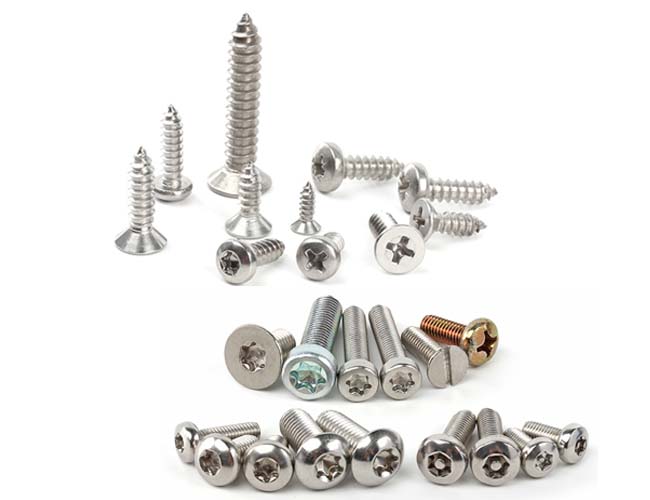
Self-tapping screws, on the other hand, are designed to create or form their own mating thread during installation. They are often used in sheet metal, plastic, aluminum, light steel, and other materials where tapping a separate internal thread may not be necessary. This makes self-tapping screws useful for faster production, simplified assembly, and applications where the base material is suitable for thread forming or thread cutting.
Thread Design and Installation Method
The biggest difference between machine screws and self-tapping screws is how they engage with the mating material. A machine screw depends on an existing internal thread. This means the part must be tapped before assembly, or the screw must be paired with a nut. The advantage is strong alignment, controlled tightening, and better suitability for repeated assembly and disassembly.
Self-tapping screws are installed directly into a prepared pilot hole. As the screw turns, it forms or cuts threads into the material. Some self-tapping screws are thread-forming types, which displace material to create a thread. Others are thread-cutting types, which remove material during installation. The correct design depends on the material, thickness, hole size, and required holding strength.
Common Applications for Machine Screws
Machine screws are widely used in applications that require accuracy, serviceability, and secure fastening. They are common in machinery, electronic devices, control panels, industrial enclosures, automotive components, instruments, appliances, and assembled metal products. When a component may need maintenance or replacement, machine screws are often preferred because they can be removed and reinstalled without damaging the internal thread if used correctly.
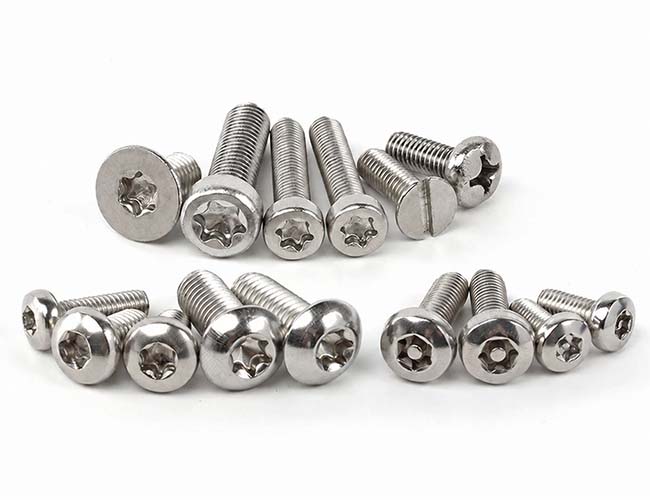
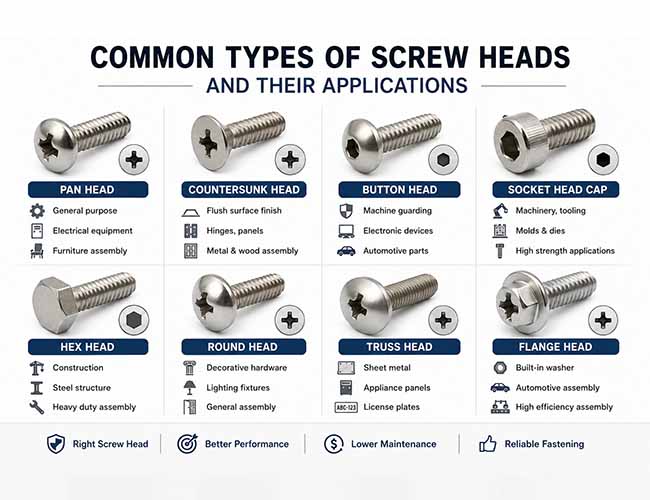
Machine screws are available in many head styles and drive types, including pan head, countersunk head, round head, truss head, socket head, Phillips drive, slotted drive, hex socket, and Torx-style drive. Materials may include carbon steel, stainless steel, brass, alloy steel, or other materials depending on the working environment and strength requirements.
Common Applications for Self-Tapping Screws
Self-tapping screws are frequently used where speed and convenience are important. Typical applications include sheet metal assembly, plastic housings, light frames, HVAC components, appliances, furniture hardware, automotive trim, electrical boxes, and general fabrication. They can reduce the need for separate tapping operations, which may improve production efficiency in high-volume assembly.
For plastic applications, self-tapping screws can be designed with special thread profiles to improve holding power while reducing the risk of cracking. For sheet metal applications, the screw type must match the material thickness and pilot hole size. If the hole is too large, the screw may not hold securely. If the hole is too small, installation torque may increase and damage may occur.
Strength, Reusability, and Assembly Reliability
Machine screws are generally better for assemblies that require repeated removal, controlled clamping, and stable thread engagement. Because the internal thread is already formed, they can provide consistent fastening when installed with the correct torque and mating component. This is important for equipment covers, service panels, machine parts, and components that require regular maintenance.
Self-tapping screws are effective for quick installation, but they may be less suitable for frequent removal and reinstallation, especially in soft materials. Repeated use can wear or damage the formed thread in the base material. For permanent or semi-permanent assemblies, self-tapping screws can be highly practical. For assemblies that require many service cycles, machine screws may be a better choice.
Material and Finish Selection
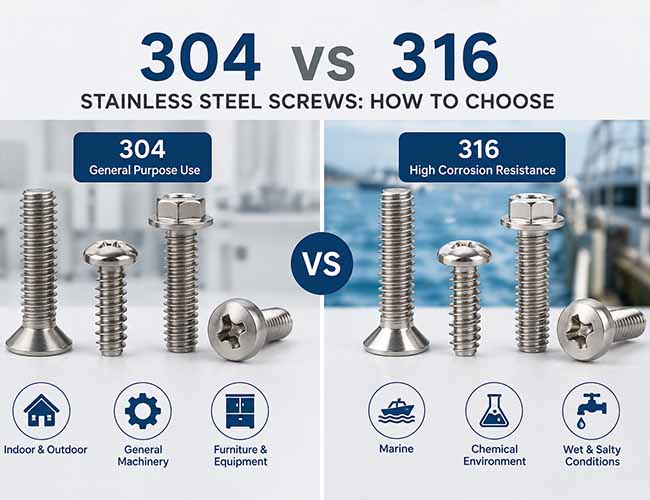
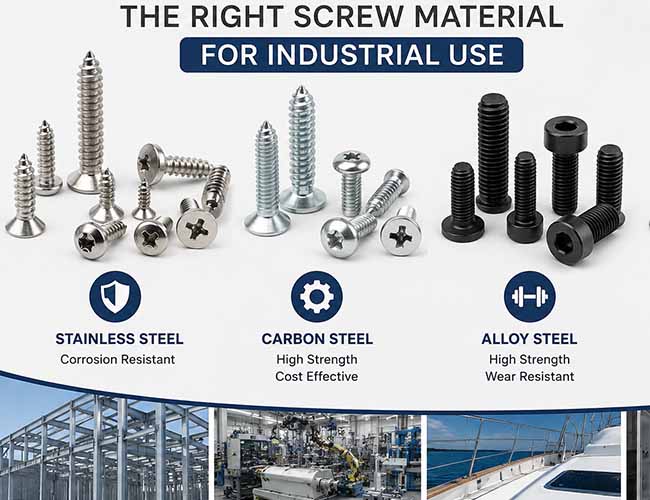
Both machine screws and self-tapping screws can be produced in different materials and finishes. Stainless steel screws are often selected for corrosion resistance, especially in outdoor, humid, food equipment, marine, or chemical-related environments. Carbon steel screws may be zinc plated, black oxide coated, nickel plated, or treated with other finishes according to application requirements.
When choosing a finish, buyers should consider corrosion resistance, appearance, friction, installation method, and compatibility with the mating material. For stainless steel fasteners, common options include 304 stainless steel for general corrosion resistance and 316 stainless steel for more demanding environments involving salt, chemicals, or frequent moisture.
How to Choose the Right Screw Type
To choose between machine screws and self-tapping screws, start with the mating material and assembly process. If the part has a tapped hole or uses a nut, a machine screw is usually the correct choice. If the application requires direct installation into sheet metal or plastic with a pilot hole, a self-tapping screw may be more efficient.
Buyers should also confirm diameter, length, thread pitch, head style, drive type, point style, material, coating, and standard. For OEM production or custom projects, drawings and samples can help ensure that the screw matches the design and assembly requirements. Pilot hole size is especially important for self-tapping screws because it directly affects installation torque and holding strength.
Custom Supply for Industrial Fastening Projects
For distributors, equipment manufacturers, and sourcing managers, selecting the right screw is not only about product name. The fastener must match the application environment, production method, and mechanical requirements. Flybear Screw supports buyers with machine screws, self-tapping screws, stainless steel screws, standard fasteners, and custom screw solutions for industrial and commercial applications.
In summary, machine screws are best suited for tapped holes, nuts, precision assemblies, and reusable fastening. Self-tapping screws are better for direct installation into sheet metal, plastic, and light materials where speed and simplified assembly are priorities. By comparing material, thread design, installation method, strength requirements, and long-term service needs, buyers can choose the correct screw type for reliable fastening performance.